
Most mistakes surface before anyone clicks a link. I’ve watched creators obsess over quality while ignoring permission, assuming every short-form video sits free for repost or redistribute, and that assumption alone breaks a safe workflow.
Every production workflow depends on one stable connection before an MP4 download finishes turning audio clips into something teams actually reuse across videos. I keep this guide short: agencies want faster downloads, not seconds wasted waiting.
Marketers treat every sound clip like inventory inside a library built for vertical videos, moving fast when permitted reuse applies to YouTube Shorts. Different methods carry different limits; ignoring ads or visuals invites trouble later.
MP3 clips need a real video source before creator research means anything for the audio you extract. 1080p vertical video behaves better on a free desktop than any trusted desktop tool sold to educators today.
Editing gets easier once remix ideas stop tangling with copyrighted content nobody cleared for reuse first. My repeatable workflow leans on scheduled content, saved assets, and audio options, turning future downloads into a quick reference.
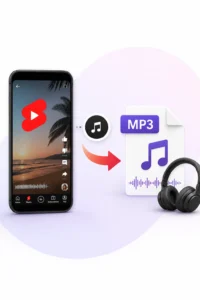
How To Convert/Extract Audio From YouTube Shorts
Every session starts when you define a goal, weigh methods, and choose the right tool over the easiest shortcut inside one workflow. Capture audio wants a plan, edit work, and extract audio quality, permissions, MP3 extraction.
Before anything, prepare URL, then copy URL, copy short URL, or copy Shorts link from an original YouTube link — never a suspicious redirect site or stray repost page. Paste it, save audio once genuine.
Whether on Windows or Mac, a solid desktop app beats browser tricks — its downloader feature brings batch download, batch processing, full batch workflows, no choking on large files, too large, plus varied download options.
Once you analyze link data, confirm the title matches the real video asset, check file, check format, then click convert. MP4 conversion only works when you choose a format — a wrong format ruins what you convert.
Adjust your output settings, or use advanced output settings for the most advanced control. Offline processing skips delays, smart compression helps you compress files fast. Pick quality so files stay ready instantly through AI processing.
Good habits continue after: confirm metadata, correct duration, embedded captions, proper attribution. Choose a clean thumbnail, note playlist details, follow consistent naming, then treat each finished asset like an archive entry inside your tracking system.
When you finally publish, choose whether to cross-post it or simply share it for casual listening on your own channel, especially if multiple Shorts come from one permitted source you already trust deeply still today.
Every smart creator learns to repurpose material inside a steady publishing workflow, where you
schedule ahead, respect natural short length, treat each YouTube Shorts video with care, and satisfy every compliance requirements rule honestly always.
Method 1 — Use An Online Audio Converter (Easiest)
This is the path most people land on first, and honestly, it’s fine for occasional use. Paste the Shorts link into a converter site, pick MP3 as the output, and let it process — no software, no setup. The tradeoff is quality control: you’re at the mercy of whatever bitrate the site defaults to, and some throw in ads or redirect pop-ups you’ll want to click past carefully. I’d treat this as a grab-and-go option, not something to build a workflow around if you’re doing this regularly or need consistent quality.
Method 2 — Use yt-dlp (Most Reliable, Intermediate)
Once you’ve done this a handful of times, yt-dlp is where most people end up. It’s a command-line tool, so there’s a small learning curve, but it gives you real control — best-available audio stream, specific format (MP3, WAV, Opus), and no ads or sketchy redirects in the process. A basic pull looks like yt-dlp -x –audio-format mp3 [URL]. It’s actively maintained, handles YouTube’s changes better than most browser-based tools, and it’s the option I reach for when quality actually matters.
Method 3 — Screen Record With System Audio (Fallback)
When a converter won’t cooperate or yt-dlp hits a wall, screen recording with system audio enabled is the last resort. Play the Short, capture it with your OS’s built-in recorder (or something like OBS), then strip the audio out afterward in any basic editor. It’s clunky and you’ll want to re-encode afterward since screen capture audio tends to pick up extra noise or slight sync drift — but it works when nothing else does, especially on restricted or region-locked content.
MP4 vs. MP3 — Which Format Should You Choose?
The format depends entirely on what you’re doing with the file afterward.
- Need audio only — a podcast intro, a voice note, a sound reference — export MP3. You save space and skip re-encoding video you won’t use.
- Need the full clip — for editing, re-uploading, or archiving — export MP4 so you keep the visual and audio together.
- Pulling from someone else’s Short? Check permission first. Copyrighted music stays protected even in a 15-second clip, and using it without rights in your own upload is one of the fastest ways to get a video muted.
If you’re building a personal archive, I’d suggest keeping a visual backup even for audio-focused projects — storage is cheap, and having the original video on hand saves you from redoing the extraction later if you need a different format.
Best Settings for Quality
A few habits will save you from re-doing work:
- Match your audio and video codecs before exporting anything, or you’ll end up fighting black bars and cropped frames during review.
- Keep the original frame rate intact as your editing reference point — converting it early creates cropping problems later.
- For video, respect the vertical aspect ratio Shorts are shot in. Never force a horizontal frame onto vertical footage.
- Store one high-quality master file using H.264 video and AAC audio, and only generate smaller, compressed versions from that master when you actually need them — never re-compress a compressed file.
- Always pull the best available source resolution before exporting; you can downscale later, but you can’t recover detail that was never captured.
Supported Formats and Quality Tiers
| Type | Common Options | Notes |
| Video | 360p, 720p, 1080p | Not every Short is uploaded at 1080p — YouTube compresses based on original upload settings |
| Audio | MP3 (128kbps–320kbps), WAV (Lossless), OGG, Opus | 320kbps or WAV suits professional sampling; 128kbps is fine for casual listening |
If you only need the sound, extracting audio-only saves bandwidth and time compared to downloading the full vertical video and stripping it afterward.
Why People Extract or Download Shorts Audio
This isn’t just a hobbyist task. In practice, I see a few recurring use cases:
- Agencies and marketing teams pulling spoken clips or hooks for campaign pitches.
- Editors (working in Premiere Pro, Final Cut Pro, DaVinci Resolve, or CapCut) extracting audio for transitions or sound design in a longer edit.
- Podcasters isolate clean audio for sampling or running stem separation on music references.
- Creators backing up their own Shorts before an account issue, or archiving old uploads locally.
- Educators and researchers studying trend structure across a batch of clips.
The common thread: extracting audio from your own content is straightforward. Extracting someone else’s requires actually checking whether you have the right to use it.
Copyright, Legal, and Compliance Considerations
Compliance starts long before you click download. Every jurisdiction-specific rule treats redistribution differently, so what’s allowed by law in one region becomes a legal grey area somewhere else entirely.
The biggest key risk sits inside Content ID system scanning — YouTube scans uploaded audio automatically, and if that copyrighted song matches copyrighted YouTube content already licensed to YouTube, expect a Content ID flag fast.
Verify the track’s license before you trust anything. Unsure whether reuse applies to your project? Don’t guess — a valid legal basis protects you far better than assuming specifically permitted status where none exists.
Own Shorts you personally uploaded remain cleared for use freely; repost, copy, or redistribute material from someone else’s channel without permission, though, and you risk video muted or taken down entirely once monetized by someone else claims redistribution rights.
Respect rights attached to thousands of tracks circulating online. Many carry attribution requirements under terms of service, meaning allowed to save doesn’t automatically mean allowed to download for commercial use without crediting the source.
For safe alternatives, YouTube Audio Library offers royalty-free tracks built specifically for content creation, alongside Creative Commons-licensed audio from ccMixter, Pixabay Music, and Free Music Archive — genuine production tool resources any viewers-facing creator can trust.
Frequently Asked Questions
Can It Convert YouTube Shorts To MP3?
Yes — paste a public Shorts link into a media downloader and it captures audio, converting straight to MP3, building your own library of clips instantly. YouTube Shorts links work the same way every time you convert one.
Is This Different From YouTube To MP3?
Not really — the core capture workflow stays the same whether you’re pulling short clips for trend research or hooks; Shorts-specific uses mostly just add vertical-video edits to the process.
Can I Use Short Audio In My Own Videos?
Only if you hold the rights or have permission — otherwise you can’t freely use someone else’s clip in your own videos; safer to generate your own track with original music instead.
Can I Make Similar Audio Instead Of Downloading It?
Absolutely — AI music tools can create original music styled after trending sound ideas, letting you build Shorts-style music without copying anyone’s actual track.
Does It Work On iPhone And Android?
Yes, on both. Open the YouTube app on iPhone or Android, copy Shorts link, then paste it into a browser — no desktop needed, the whole process works on mobile.
What Is The Best Way To Download YouTube Shorts?
It depends on what you need. If only audio needed, export MP3; if video needed, save as MP4. Stick to authorized content or own content, and use a trusted downloader workflow throughout.
Can I Download YouTube Shorts As MP3/MP4?
Technically yes, but downloading and converting steps don’t grant you the right to use audio — pulling creator audio or copyrighted music without permission still carries the same risk.
Is YouTube Shorts Download Legal?
It depends on use and depends on content. If it’s authorized by rights holders or permitted by service and allowed by law, you’re fine; when in doubt, do not reuse it — Terms limit downloading in many cases.
Why Does My Downloaded YouTube Short Look Blurry?
The source compressed the file before editing even touched it. Always grab the best available quality first, and avoid re-compressing it again — that only produces a lower-quality version.
What Format Should I Use For Editing YouTube Shorts?
Stick with MP4 using H.264 video and AAC audio, keep the original frame rate intact, and preserve the vertical aspect ratio so it matches the platform’s native format.
Can I Download Only The Audio From A Short?
Yes — you don’t need the entire video at all. Just choose MP3, pick bitrate between 128kbps and 320kbps depending on quality needs, then extract clean sound bites, voice lines, or short music snippets for your own project.
Why Does The Download Finish So Quickly?
Shorts are inherently brief, so conversions complete fast even on a slow connection. Files stay small — 360p or 720p produce compact files and smaller sizes, giving you smooth playback almost instantly.



Pingback: 128kbps vs 320kbps MP3: Can You Hear the Difference?